


The export volume of Chinese aluminum materials has reached a historic high, and high-end aluminum plate products have become the new favorite of overseas markets
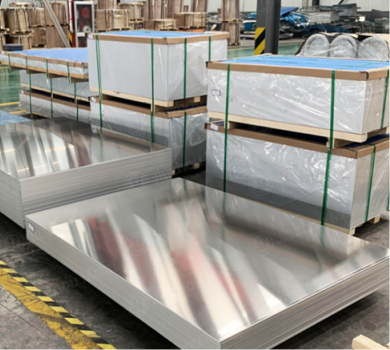
According to the latest statistics from the General Administration of Customs and the industry, the export volume of aluminum products in China's foreign trade will exceed 5.8 million tons in 2025, a year-on-year increase of 9.2%, setting a historical record. Among them, the performance of high-end aluminum plate products is particularly impressive, with exports accounting for more than 35% for the first time, a year-on-year increase of 27%. It has become a "hot commodity" in overseas markets in new energy vehicles, aerospace, high-end construction and other fields, marking the official transformation of China's aluminum exports from "scale advantage" to "value advantage".
Export structure upgrade: high-end aluminum plates support the growth engine
Against the backdrop of a slowdown in the export growth rate of traditional mid to low end profiles, high-end aluminum plates have become the core driving force for export growth. In 2025, the export volume of high-end products such as aviation grade high-strength aluminum plates, automotive lightweight aluminum plates, and photovoltaic integrated building aluminum plates will increase by 32%, 29%, and 24% year-on-year, respectively, with export destinations covering more than 80 countries and regions worldwide.
Driven by green transformation policies, the demand for high-quality and lightweight materials in the European and North American markets continues to rise, becoming the main incremental market for high-end aluminum plates in China. Among them, Germany, the United States, and Italy rank among the top three in terms of export value, while international giants such as BMW, Volkswagen, and Boeing have increased their procurement efforts for high-end aluminum plates from China. The Southeast Asian market benefits from the expansion of the new energy vehicle industry cluster, with an annual growth rate of over 30% in the demand for imported aluminum plates for automobiles. Chinese companies occupy more than 60% of the market share with their cost-effectiveness advantage.
Core competitiveness: dual wheel drive of technological breakthroughs and green production
The explosive growth of high-end aluminum plate exports is due to the technological iteration and green transformation of China's aluminum processing industry. In terms of material research and development, domestic enterprises have broken through key technologies such as high magnesium lightweight aluminum materials and 7 series high-strength aluminum alloys. Some products have a tensile strength of over 650MPa and performance comparable to international first-class levels, while reducing costs by 20% -30%. They have been successfully applied to high-end equipment such as the C919 aircraft and Tesla.
In terms of production technology, the short process technology of "direct supply of electrolytic aluminum liquid+continuous casting and rolling" is widely used, which shortens the production cycle by 40% and reduces carbon emissions by 18%, perfectly meeting the environmental requirements of the European Union's carbon tariff (CBAM). The maturity of recycled aluminum utilization technology has become a bonus point, with top enterprises producing over 1 million tons of recycled aluminum, reducing unit energy consumption by 95% compared to primary aluminum, and significantly enhancing the international competitiveness of their products with green and low-carbon attributes.
Intelligent production also helps with quality upgrades. The AI vision inspection system achieves an accuracy rate of 99.5% in identifying surface defects on aluminum plates, and the full process digital control keeps the product thickness tolerance within ± 0.01mm, meeting the precision requirements of high-end manufacturing overseas. In addition, the release of 12 international standards for aluminum and aluminum alloys led by China has promoted the wider recognition of domestic aluminum plates in the global market.
Global Layout: Addressing Trade Barriers and Building Diversified Supply Chains
Faced with a complex international trade environment, Chinese aluminum companies have resolved regional barriers through global layout. Leading enterprises such as China Aluminum Group and Weiqiao Entrepreneurship have deployed alumina and electrolytic aluminum production capacity in Guinea, Indonesia and other places, relying on local resource advantages to reduce production costs, and directly supplying products to Southeast Asian and European and American markets. Nanshan Aluminum also plans to set up factories in Europe to serve the localized procurement needs of customers such as BMW and Volkswagen, further approaching the end market.
Export channels have also shown diversified characteristics. In addition to traditional offline trade, cross-border e-commerce platforms have become an important lever for small and medium-sized aluminum enterprises to expand their overseas markets. By 2025, the amount of high-end aluminum plates exported through cross-border e-commerce will increase by 58% year-on-year. At the same time, the company actively participates in international certification, and several companies' aviation boards have passed authoritative certifications such as Boeing BMS7-23, breaking the market monopoly formed by American aluminum and Russian aluminum for a long time.
“Do you see over yonder, friend Sancho, thirty or forty hulking giants? I intend to do battle with them and slay them.”
— Don Quixote


leave a comment